


The Art of the Shoulder Season: Why October and November Beat Peak Summer
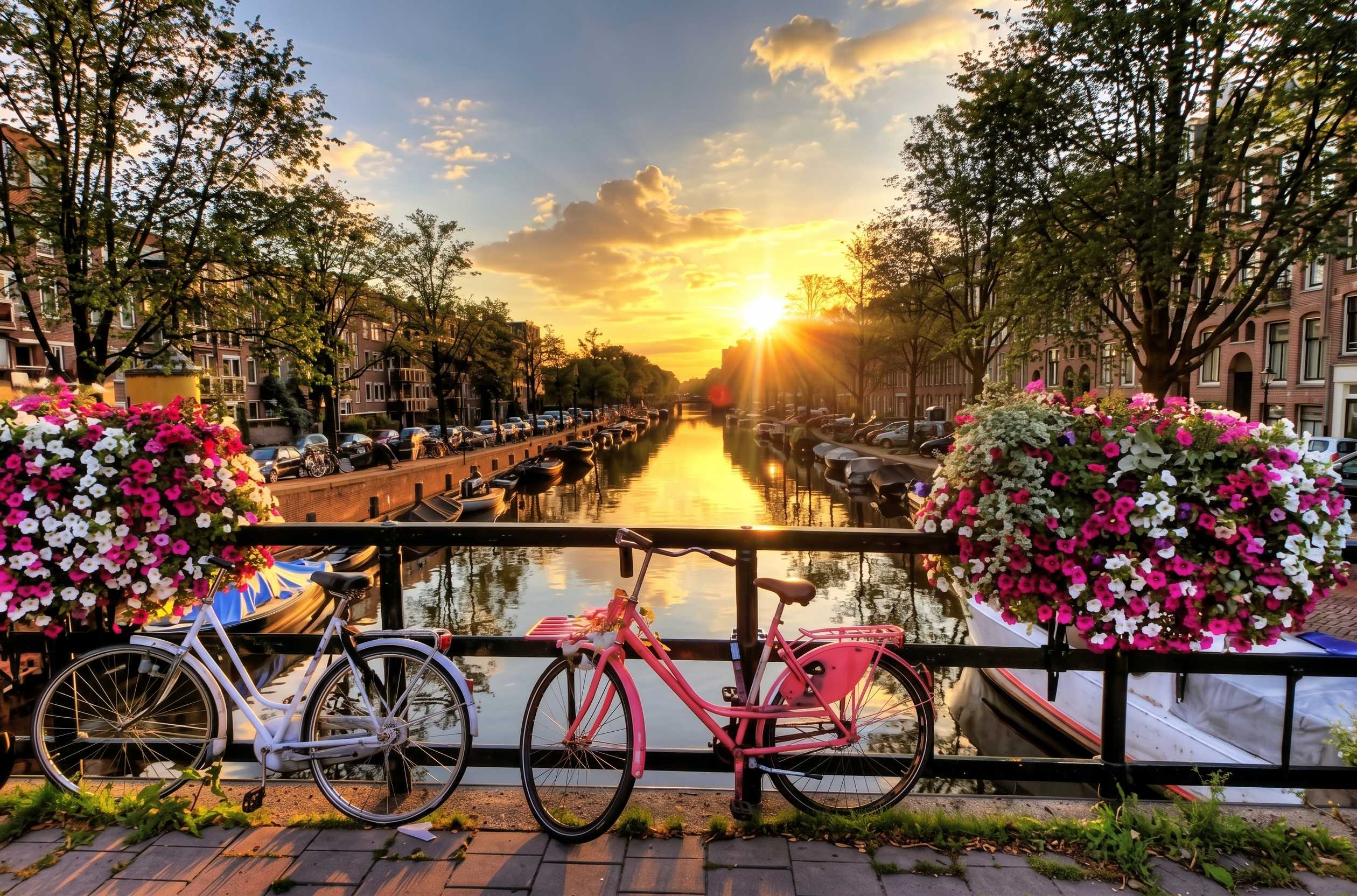
Peak summer travel has become a battle of endurance. Between soaring temperatures, sky-high airfares, and endless queues at every bucket-list destination, July and August often leave travelers needing a vacation from their vacation.
Savvy travelers skip the peak rush entirely. Entering the shoulder season—the sweet spot between high summer and freezing winter, typically running from late September through November—fundamentally transforms how you experience the world.
Premium Comfort Without the 40°C Heatwaves
Midsummer in southern Europe, Central Asia, and North Africa now frequently sees temperatures topping 38°C to 42°C, turning afternoon sightseeing into an exhausting ordeal.
By mid-autumn, Mediterranean hubs like Greece, southern Italy, and Spain settle into a pleasant 22°C to 26°C with crisp breezes. You can walk 15,000 steps through Rome, hike the caldera paths in Santorini, or explore the souks of Marrakech without running between air-conditioned shops just to catch your breath.
Up to 40% Lower Flight and Accommodation Costs
Airlines and hotels price aggressively during summer school holidays because demand is inelastic. Once October begins, airline booking algorithms recalibrate:
Direct Flights: Long-haul and regional airfares drop significantly across mid-week departures.
Boutique Hotels & Resorts: Four-star and five-star properties often slash rates or throw in complimentary upgrades, daily breakfasts, and spa credits to maintain autumn occupancy.
Car Rentals: Vehicle availability surges, cutting daily rental costs by half compared to August peak rates.
Real Sightseeing, Zero Queue Fatigue
There is a massive difference between seeing the Colosseum, the Hagia Sophia, or Kyoto's Fushimi Inari through a sea of selfie sticks versus experiencing them with breathing room.
In autumn:
Pre-booked museum time slots don't sell out weeks in advance.
Walk-in dining at top-rated local bistros becomes possible again without reservations booked two months prior.
Photography changes entirely—the lower autumn sun provides soft, cinematic golden-hour light all afternoon rather than harsh midday glare.
- Top Shoulder-Season Destinations Right Now
| Destination | Why Autumn Shines | Average Weather |
| Southern Mediterranean (Crete, Sicily, Cyprus) | Sea temperatures remain warm enough for swimming through late October, but beaches are uncrowded. | 22°C – 26°C, mild sun |
| Japan (Kyoto & Tokyo) | The autumn foliage (koyo) turns temple gardens vibrant crimson and gold without summer's stifling humidity. | 16°C – 21°C, crisp & dry |
| Georgia & Caucasus | Wine harvesting season (Rtveli), scenic mountain foliage in Kazbegi, and cozy culinary scenes. | 14°C – 20°C, clear skies |
| Morocco & Egypt | Desert safari nights become crisp, while daytime exploring of pyramids and ancient medinas is comfortable. | 24°C – 28°C, sunny |
How to Plan Your Shoulder-Season Trip
- Check Local Ferry and Cable Car Schedules: Some island ferries and mountain lifts switch to reduced autumn timetables starting in mid-October. Always verify connection schedules before locking in day-trip transit.
- Pack Layered Outfits: October mornings and evenings are cool, while afternoons can feel warm like late spring. A breathable base layer, lightweight sweater, and a packable windbreaker will cover every scenario.
- Target Business & Shoulder Flight Windows: Look for flights departing on Tuesdays or Wednesdays rather than weekend turnarounds to capture the deepest fare drops.
Traveling smart isn't just about where you go—it’s about knowing when to arrive. If your schedule allows even a short getaway between now and late November, pack your bags and leave the crowds behind.
Read next
The Art of Slow Travel: Reclaiming Wonder in a Fast-Forward World
The HookWe’ve all been there: returning from a "vacation" so exhausted that you need another vacation just to recover....
Oct 17, 2026
Sustainable Travel: How to Reduce Your Carbon Footprint
Travel broadens minds and connects cultures, but it also carries an environmental cost. The good news is that with thoug...
Feb 17, 2026
How to Plan Your First Solo Trip
Solo travel is one of the most empowering experiences you can have. The freedom to go where you want, eat when you want,...
Jan 18, 2026